Professor Stephen Martin: From a Lifetime's Research on Combatting Varroa
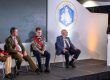
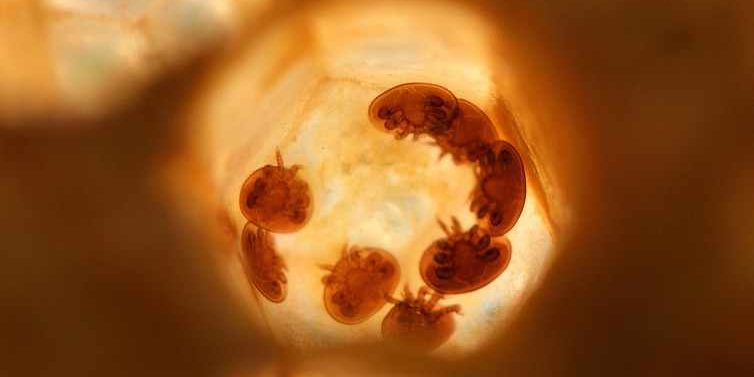
As usual we have an interesting and informative series of lectures planned for the coming National Honey Show. This year there will be presentations from a team collaborating on the varroa problem, studying, observing and monitoring varroa resistance in honeybees. On the Thursday morning of the show, 23rd October at 8.30am, we will be broadcasting, live, on Facebook and Youtube, a conversation with Professor Stephen Martin introducing the first lecture from the team later that morning. At 12.30pm he will talk on how researchers in his team came to understand the mechanism by which bees learn to detect and drastically reduce the impact of the infestation.
This learning process ties in with observations by Professor Martin Guirfa on honey bee pheromones, learning and memory in his lecture at the 2024 National Honey Show, which you can view on the Show’s YouTube channel: https://www.youtube.com/watch?v=ryVqyT7a7J8
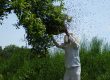
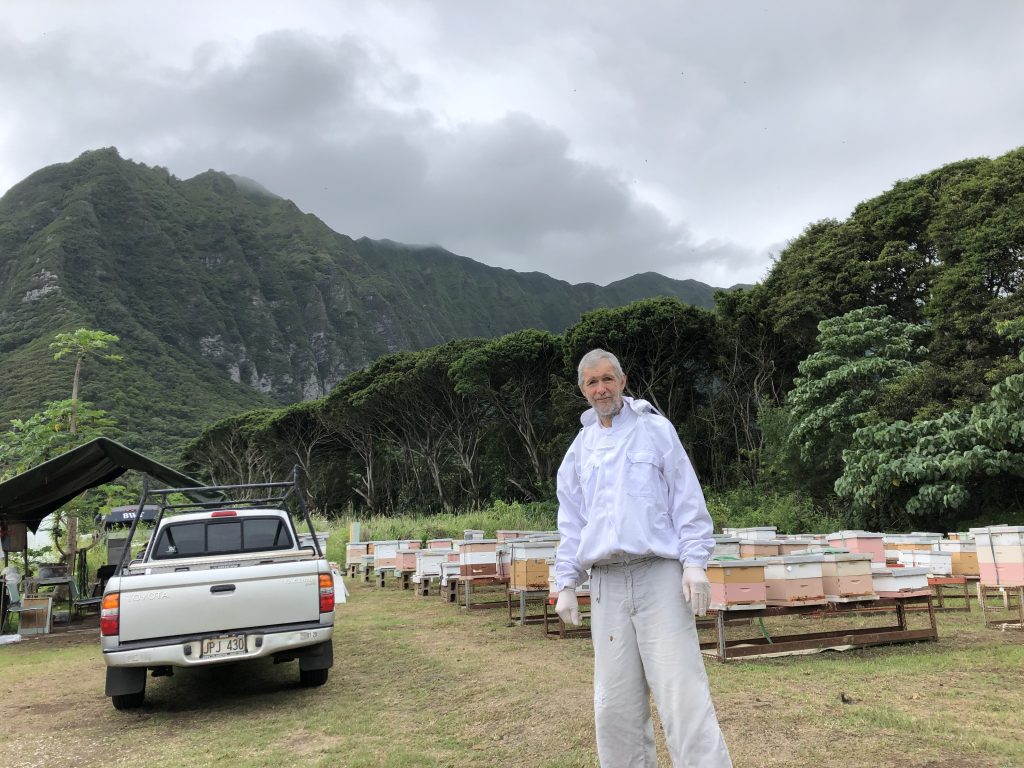
Above: Professor Martin at the Study Site in Hawaii.
Professor Stephen Martin follows with more information in his lecture at 9.30 on Friday 24th, then at 2pm he, together with Joe Ibbertson and Stephen Riley will form a panel answering your questions on varroa resistance.
To allow the session to run smoothly, questions will not be taken from the floor, but if submitted in advance to lectures@honeyshow.co.uk
by 17th October, they may be included in the discussion.
To monitor the varroa load, Professor Martin has been working on updating his Varroa Calculator, making it more user friendly. This will be launched shortly and ready by the time of the Show. Professor Martin has also been translating a book on natural beekeeping from its original edition in Polish, “Beekeeping in harmony with Nature” to be published by Northern Bee Books and available at Apimondia and The National Honey Show.
Professor Martin and his team hope that the information on their website https://www.varroaresistant.uk/ and from the lectures at the show will give beekeepers the understanding and confidence to move away from miticides, letting the bees learn to deal with the infestation, with the knock on bonus of interrupting the mite’s breeding cycle and reducing their future numbers.
The full 2025 lecture programme can be viewed at:
https://honeyshow.co.uk/schedule/lecture-convention/
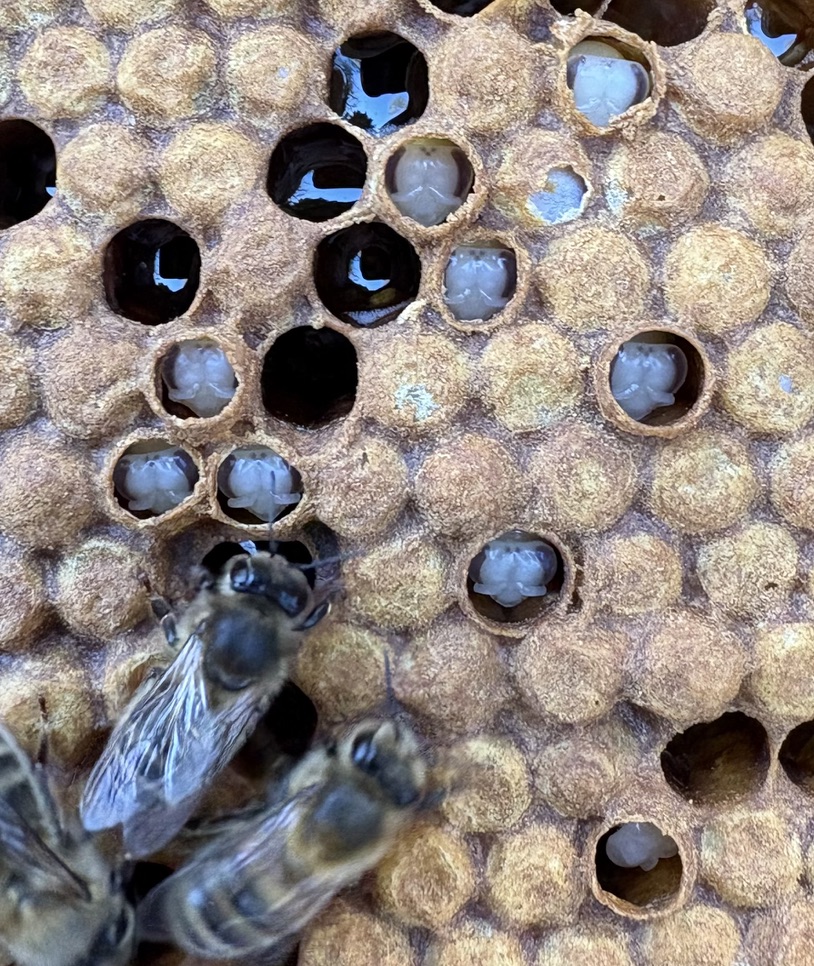
Bald brood, the result of cells being uncapped after mite infestation was detected, but due to a temporary shortage of recapping bees the cells have not been recapped as quickly as cells are being uncapped.
If you miss any lectures from this year’s show, you will be able to catch up later as they are released on YouTube across the year leading up to next year’s show: www.youtube.com/user/nationalhoneyshow.
Join us at this year’s National Honey Show, 23 to 25 October 2025, Sandown Park Racecourse, Esher, Surrey, UK.